← Work & Projects
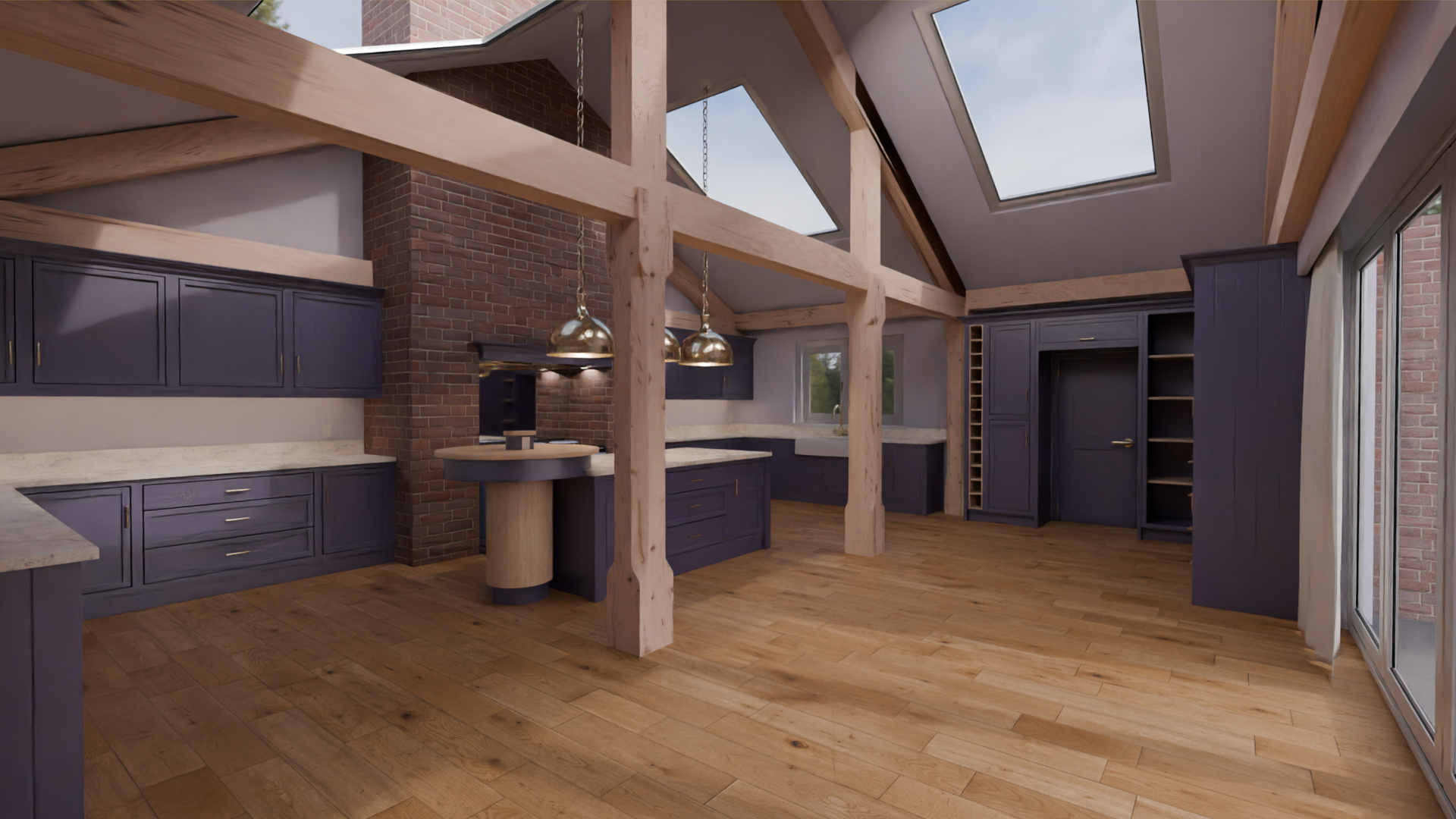
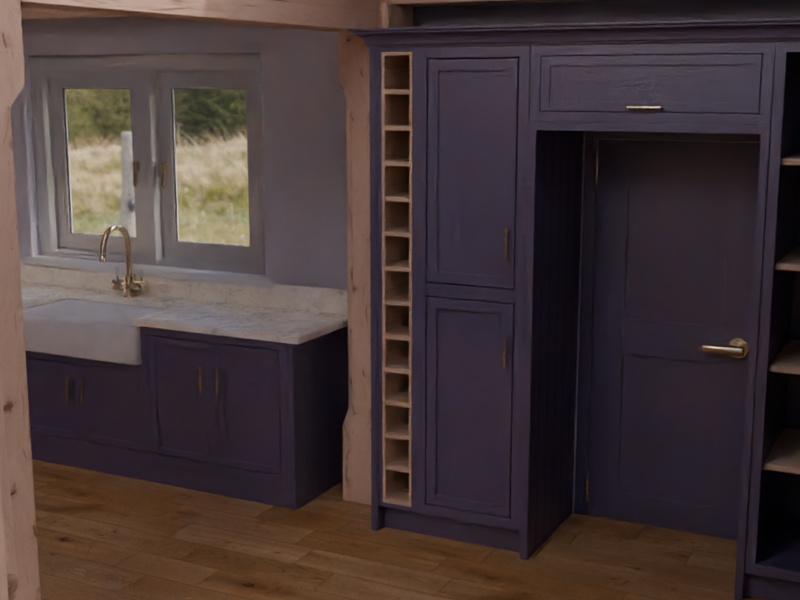
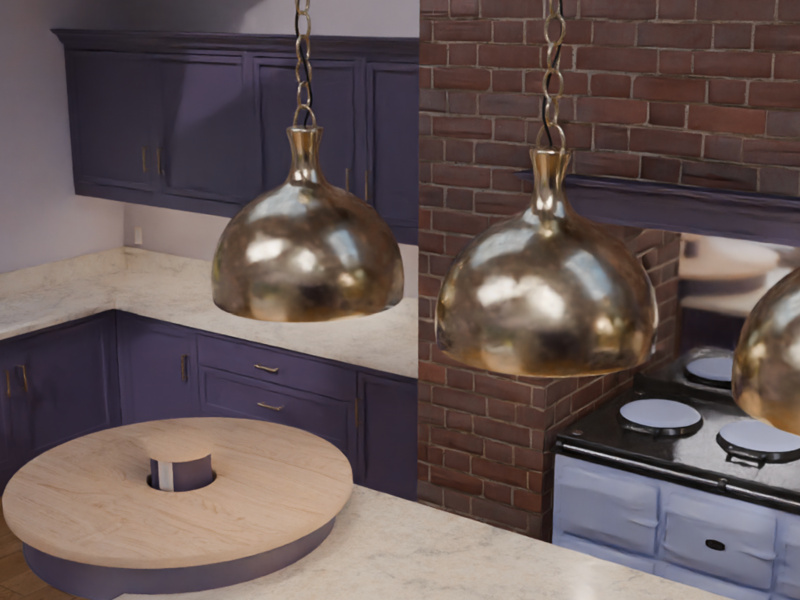
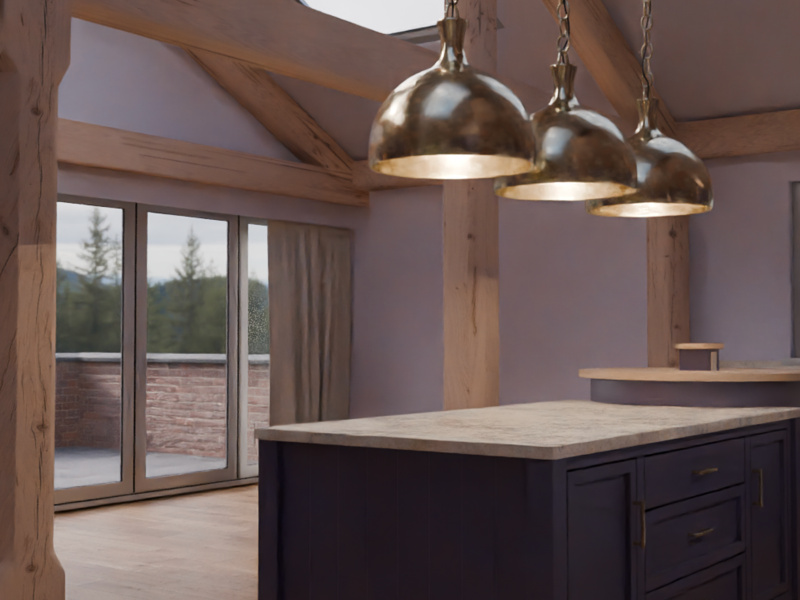
Kitchen Scene
2026
A complete kitchen under a vaulted ceiling with skylights. A full room calls for different skills than a single hero object: the space has to read as architecturally correct, with dozens of elements working together and every surface responding to light like its real-world counterpart.
Lighting drove the result: controlling where light falls hard, where it wraps softly, and how it reveals texture across each surface. Texturing combined image maps with procedural materials built in Blender's node editor, which give precise control over surface character without relying on photographs. The deliverable also included an animated camera sequence that presents the space as a client-ready walkthrough.